Synopsis
Choosing the auto body shop directly affects your safety and your vehicle’s value. Auto Collision Center of Exeter shows you how to vet repair shops using ten smart questions that uncover real training, tools, and repair standards.
What you should look for:
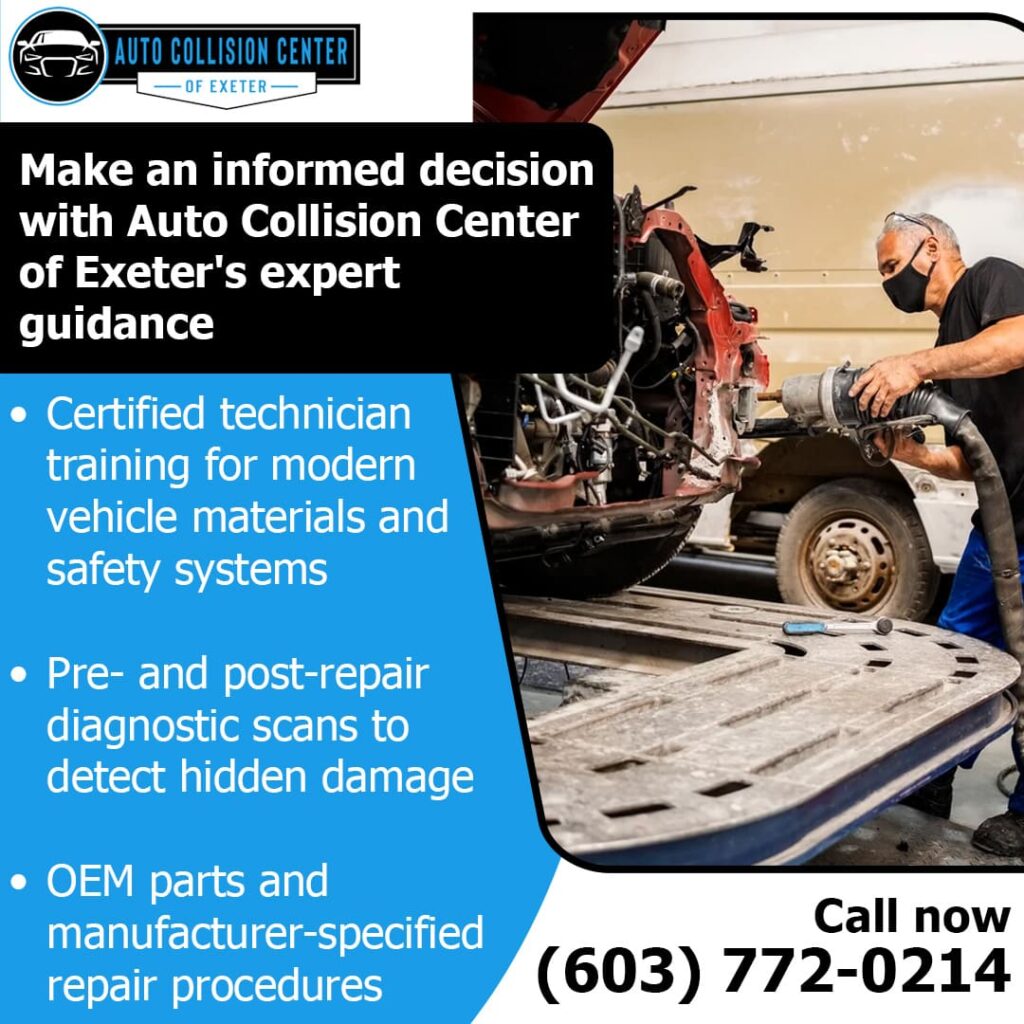
- I-CAR Gold Class and Platinum technicians
- Strict OEM repair procedures and equipment
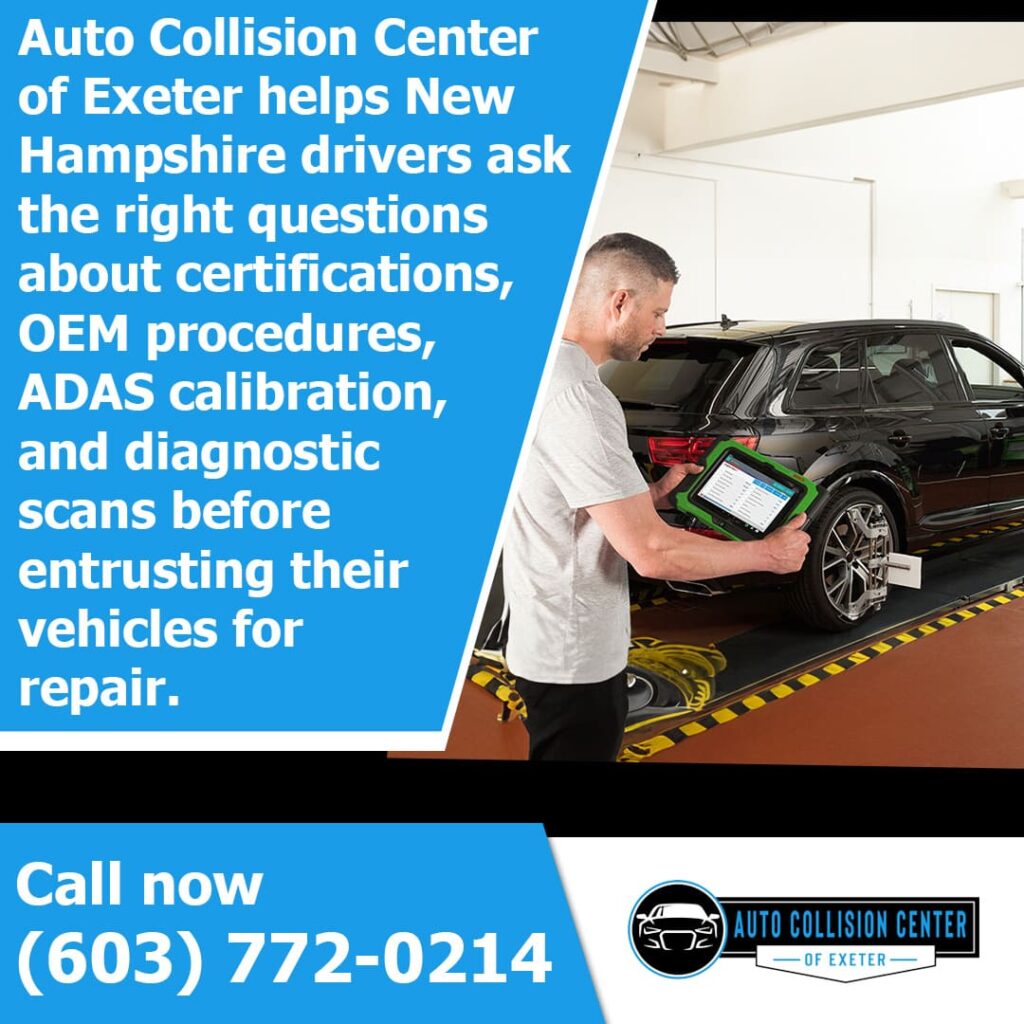
- Pre- and post-repair diagnostics with ADAS calibration
- Clear documentation and insurance coordination
- Limited lifetime repair warranty and PDR access
Not all collision repair facilities maintain the same standards. Some follow manufacturer procedures precisely with professional equipment. Others take shortcuts that compromise safety. Modern vehicles contain sophisticated electronic systems, specialized materials, and advanced safety features that demand expert knowledge and proper tools to repair correctly.
How do you identify a qualified facility? What questions reveal a shop’s true capabilities? Your choice of auto body shop directly affects your safety, your vehicle’s structural integrity, and its long-term value.
Auto Collision Center of Exeter explains how drivers in Exeter and throughout the New Hampshire Seacoast evaluate repair options effectively. Since January 2023, our auto body shop in Exeter, NH, has been serving the community. We have I-CAR-certified technicians and professional-grade equipment. The ten questions we present reveal whether a facility has the training, tools, and procedures necessary for safe, quality repairs.
Why Choosing the Right Auto Body Shop Matters More Today
Vehicle construction has changed dramatically. Today’s cars use unibody frames, aluminum components, and ultra-high-strength steel. These materials provide superior crash protection but require precise repair methods. Improper techniques weaken structural integrity and compromise occupant safety.
Advanced Driver Assistance Systems add another layer of complexity. These features use cameras, radar, and sensors to prevent accidents. According to the National Highway Traffic Safety Administration, these systems deliver measurable safety benefits:
| Safety Feature | Crash Reduction Impact |
| Forward Collision Warning (FCW) | 27% fewer rear-end crashes |
| Automatic Emergency Braking (AEB) | 50% fewer rear-end crashes |
| Lane Departure Warning (LDW) | 11% fewer single-vehicle crashes |
| Blind Spot Detection | 14% fewer lane-change crashes |
These systems only work when properly calibrated. Even windshield, bumper, or frame repairs can affect camera and radar aim. Many manufacturers and insurers now expect documented calibration after relevant repairs, so a qualified shop should be able to explain its calibration process and provide calibration records.
Question 1: Are Your Technicians I-CAR Trained or Certified?
Collision repair requires current knowledge of new materials, joining methods, and safety systems. I-CAR (Inter-Industry Conference on Auto Collision Repair) provides standardized training covering manufacturer procedures, structural repair, and diagnostic techniques. Technicians earn Platinum certification by completing ongoing education annually.
Without proper training, technicians may use incorrect welding methods on high-strength steel. They might damage aluminum through improper heat application. They could miss critical safety system damage during inspections.
What I-CAR Gold Class Means for Your Vehicle
I-CAR Gold Class designation recognizes facilities meeting comprehensive training standards. Only 20% of collision repair shops nationwide qualify. This certification requires that all role-relevant team members complete training and maintain current knowledge.
We hold I-CAR Gold Class certification. Bryan Dinger, our general manager, maintains I-CAR Platinum credentials. He brings more than twenty years of auto collision repair experience, combined with training from Universal Technical Institute in automotive, motorcycle, and marine mechanics. Our technicians hold I-CAR Platinum certification as well. Together, our team provides over 50 years of combined experience in auto body and collision repair on the New Hampshire Seacoast.
When evaluating any auto body shop in Exeter, NH, verify certifications for multiple team members. One certified technician isn’t sufficient. The entire team should demonstrate commitment to proper procedures.
Question 2: Do You Follow OEM Repair Procedures?
The Role of OEM Procedures in Restoring Crash Safety
Vehicle manufacturers engineer specific repair sequences for each model. These Original Equipment Manufacturer (OEM) procedures specify welding locations, sectioning points, adhesive types, and fastener grades. Following these instructions maintains the vehicle’s designed crashworthiness. Deviating creates structural weaknesses that may not appear until another collision occurs.
Different materials require different approaches. Aluminum cannot be repaired like steel. High-strength steel needs controlled heat application. Using incorrect methods compromises structural integrity even when repairs look acceptable.
Equipment Required to Follow OEM Standards
Following manufacturer procedures requires professional equipment. Frame measuring systems verify structural alignment to factory specifications. Resistance spot welding duplicates original joining methods. Computerized paint systems match factory finishes.
Our 5,000 square foot facility houses Spanesi frame measuring and straightening equipment that verifies vehicle structures align within manufacturer tolerances. We use RM paint systems with computerized color-matching cameras in our downdraft heated paint booth for factory-quality finishes. Our Prospot welding equipment performs structural repairs according to OEM specifications. CCC estimating software provides access to manufacturer repair procedures for every vehicle we service.
Ask potential shops how they access OEM repair procedures. Legitimate facilities subscribe to manufacturer databases and reference specific documents when explaining repair approaches.
Question 3: What Diagnostic Scans Do You Perform Before and After Repairs?
Why Pre-Scans Detect Hidden Damage
Modern vehicles contain numerous electronic control modules monitoring airbags, brakes, stability systems, and driver assistance features. Collision impacts trigger fault codes even without visible damage. Damaged sensors, severed wiring, or displaced components create electronic problems that visual inspections miss.
Pre-scan diagnostics identify these issues before repairs begin. Professional scan tools read codes from all vehicle modules, revealing hidden problems requiring attention during the repair process. This prevents issues from being overlooked or blamed on the collision after you take delivery.
Why Post-Scans Verify Repair Quality
Completing physical repairs doesn’t automatically restore electronic system function. Post-scan verification confirms all systems operate correctly. It identifies problems introduced during repair work, such as disconnected sensors or damaged wiring harnesses.
We perform pre-scan and post-scan diagnostics using professional tools such as Snap-on, Bosch, and Hunter. These tools can read codes from many vehicle modules and help identify faults that visual checks miss. Coverage varies by vehicle make and model and sometimes requires manufacturer-level software or subscriptions, so a shop should be prepared to explain tool capability for your specific vehicle.
Request scan documentation from any auto body shop you consider. Reputable facilities provide printouts showing fault codes found and cleared throughout the repair process.
Question 4: How Do You Handle ADAS Systems After Repairs?
Understanding ADAS Requirements
Advanced Driver Assistance Systems depend on precise sensor alignment. Cameras monitor lanes and traffic. Radar tracks vehicle speed and distance. These sensors must aim correctly to function properly.
Many repairs affect sensor positions. Windshield replacement moves the forward cameras. Bumper work shifts radar units. Frame straightening changes mounting angles. Any structural repair may require system recalibration to restore proper function.
Why Proper ADAS Coordination Matters
Studies show ADAS safety advantages depend on correct calibration. Well-calibrated systems lower crash rates by 40-55%. Misaligned sensors may fail to detect hazards or activate incorrectly. This eliminates crash prevention benefits without warning drivers of the malfunction.
We coordinate ADAS calibration through qualified service providers equipped with Hunter and Bosch manufacturer-specified calibration equipment. While we handle all structural repairs, paint work, and frame alignment in our facility, we partner with specialists who have the dedicated calibration tools and training these systems require. This coordinated approach delivers complete repairs meeting all manufacturer safety requirements.
Ask how shops address ADAS systems. Facilities dismissing calibration importance or claiming systems self-adjust don’t understand modern vehicle safety requirements.
Question 5: What Parts Do You Use for Repairs?
Understanding Part Quality Differences
Part selection affects repair quality, durability, and safety. OEM parts match original specifications exactly. They fit properly and provide designed crash protection. High-quality aftermarket parts from established manufacturers can offer acceptable alternatives. Others from unknown sources create fitment problems and safety concerns.
Insurance companies sometimes specify aftermarket parts for cost control. This doesn’t mean all aftermarket options are equivalent. Quality varies dramatically between manufacturers.
Our Parts Policy
We prioritize OEM and high-quality aftermarket parts that meet manufacturer specifications. Our collision repairs focus on restoring your vehicle to original factory condition using manufacturer-branded or OEM-approved components whenever possible. When insurance policies require aftermarket parts or customers opt for non-OEM components, we discuss all options with you. We source only from recommended high-quality aftermarket manufacturers. We never use low-quality parts from general online retailers like Amazon, eBay, or RockAuto.
This policy protects your vehicle’s safety and value. Proper parts fit correctly, resist corrosion, maintain crash protection, and preserve resale value better than inferior alternatives.
Discuss part options with any auto body shop near Exeter, NH that you consider. Quality facilities explain differences between part types and their implications for your specific vehicle.
Question 6: How Do You Document Damage and Handle Insurance Supplements?
Why Documentation Protects Your Interests
Initial estimates cannot account for hidden damage. Disassembly commonly reveals additional structural damage, mechanical problems, or electrical issues. Thorough documentation supports supplement requests and prevents coverage disputes with insurance carriers.
Professional shops photograph extensively, documenting pre-existing conditions, visible damage, disassembly findings, and repair progress. This creates clear records for insurance adjusters and protects customers from unexpected costs.
Our Documentation Process
We capture approximately 100 photographs during vehicle intake at our certified auto body shop in Exeter, NH. This helps to document interior and exterior conditions from every angle. After disassembly, we measure the vehicle if necessary and review all findings with our technicians to identify damage requiring repair. We communicate discoveries clearly to you and your insurance company.
We handle supplement negotiations directly with adjusters, explaining why additional repairs are necessary for safe operation. Once approved, we proceed with parts ordering and repairs.
This systematic approach prevents surprises. You understand exactly what repairs your vehicle needs and what your insurance covers.
Ask potential shops about their documentation practices. Facilities confident in their processes gladly explain their systematic approach.
Question 7: Can You Recommend Paintless Dent Repair When Appropriate?
When PDR Offers Better Value
Paintless Dent Repair (PDR) removes minor dents without disturbing the original paint. Specialized technicians use tools to massage dents from behind panels. This technique works well for hail damage, door dings, and small impacts where paint remains undamaged.
PDR costs less than conventional repair, completes faster, and preserves your factory finish, maintaining vehicle value better than refinished panels.
When Traditional Repair Is Necessary
PDR has limitations. Dents along sharp body lines, stretched metal, or any paint damage require conventional repair regardless of dent size.
Why We Recommend PDR When Appropriate
Recommending PDR when suitable demonstrates commitment to your best interests rather than maximizing revenue. We coordinate PDR through a trusted specialist when it serves you. This partnership enables us to provide complete solutions while focusing on structural and refinishing work in-house. For a full-service auto body shop in Exeter, NH, recommending all appropriate repair options matters most.
Question 8: What Warranty Do You Provide on Repairs?
What Good Warranties Cover
Warranty terms demonstrate a shop’s confidence in its work. Strong warranties cover materials and workmanship for extended periods, including structural repairs, bodywork, and refinishing without extensive exclusions.
Weak warranties limit coverage periods, require frequent re-inspections, or disclaim specific failure types. These restrictions often suggest questionable repair quality.
Our Warranty Commitment
We provide a Limited Lifetime Warranty covering all repairs and paint work for as long as you own your vehicle. This includes structural work, bodywork, and paint refinishing. If issues arise from our work, we address them at no additional cost to you.
Parts carry their manufacturer’s warranty terms. OEM parts typically include longer coverage than aftermarket alternatives.
Compare warranty terms carefully when evaluating auto body shops. Get all warranty terms in writing before authorizing repairs to protect yourself if problems develop later.
Question 9: Will You Help Handle My Insurance Claim?
Why Insurance Assistance Reduces Stress
Insurance claims involve unfamiliar terminology and complex coverage questions. Most vehicle owners don’t regularly deal with deductibles, depreciation, or supplement procedures. Professional assistance simplifies this confusing process significantly.
Quality shops communicate directly with insurance adjusters, explain coverage terms clearly, handle paperwork, and follow up on approvals. This removes the burden from customers during stressful post-collision situations.
Our Insurance Coordination
We work with all insurance companies and maintain Direct Repair Program (DRP) relationships with State Farm, Geico, and Amica. These partnerships streamline the approval process while maintaining our commitment to proper repairs, meeting manufacturer standards.
Before your vehicle is dropped off, Auto Collision Center of Exeter discusses insurance or self-pay options and helps you file a claim if needed. We verify your coverage, prepare detailed estimates, and submit documentation to insurers. We identify supplement needs and provide supporting evidence with photographs and measurements. We answer your questions throughout the process and never compromise repair quality to accommodate insurance cost preferences.
Ask how shops handle insurance communication. Reputable facilities assign specific contacts, provide regular updates, and advocate for necessary repairs rather than automatically accepting insurance carrier limitations.
Question 10: What Does Your Typical Repair Timeline Look Like?
Factors Affecting Repair Duration
Multiple factors influence repair timelines. Initial estimates precede disassembly, which reveals the full extent of damage. Insurance approval takes time, especially for supplements. Parts must be ordered and delivered from suppliers. Physical repair work proceeds through bodywork, painting, and reassembly. Final diagnostic scanning, test drives, and quality checks complete the process before delivery.
Each stage can introduce delays. Insurers may request additional documentation. Parts may backorder from manufacturers. Complex repairs require extra time for proper completion. Rushing any step compromises quality and safety.
Setting Realistic Expectations
Minor repairs like bumper replacement may be completed in several days. Extensive damage requiring frame straightening, multiple part replacements, and system verification can take weeks to complete properly.
At our auto body shop, you get honest timeline estimates based on damage severity, parts availability, and insurance processing speed. We update you regularly on progress and notify you immediately if circumstances change. Our team understands the inconvenience of being without your vehicle and can help coordinate rental arrangements if your insurance includes this coverage. However, we won’t sacrifice repair quality or safety for speed.
Request timeline explanations from potential shops. Quality facilities break down the repair process, identify factors affecting duration, and set realistic expectations rather than making unrealistic promises.
How to Compare Local Auto Body Shops Using These Questions
Quick Evaluation Framework
Use these ten questions to assess any facility:
- Do technicians hold current I-CAR certifications?
- Does the shop maintain I-CAR Gold Class status?
- Are OEM repair procedures followed with proper equipment?
- Do pre-scan and post-scan diagnostics occur for every repair?
- How are ADAS systems handled after structural repairs?
- What parts quality standards apply?
- How extensively is damage documented?
- What warranty terms protect customers?
- Will the shop handle insurance communication?
- Are repair timelines explained clearly and realistically?
Choose the Right Auto Body Shop in Exeter, NH, With Confidence
If you are looking for a local auto body repair shop in Exeter, NH, we invite you to ask these questions. Visit Auto Collision Center of Exeter and see our equipment firsthand. Meet our I-CAR-certified team and discuss your specific repair needs.
Call us at (603) 772-0214 or send an email to accofexeter@gmail.com to schedule a free estimate. We’ll explain our repair process, discuss your insurance coverage, and answer all your questions. We handle towing coordination if your vehicle isn’t drivable and assist with rental arrangements if your insurance includes coverage.
Whether you’ve been in a recent collision or want to understand your options, we provide honest guidance. We look forward to earning your trust through quality workmanship, transparent communication, and proper auto body repair procedures that protect your safety.